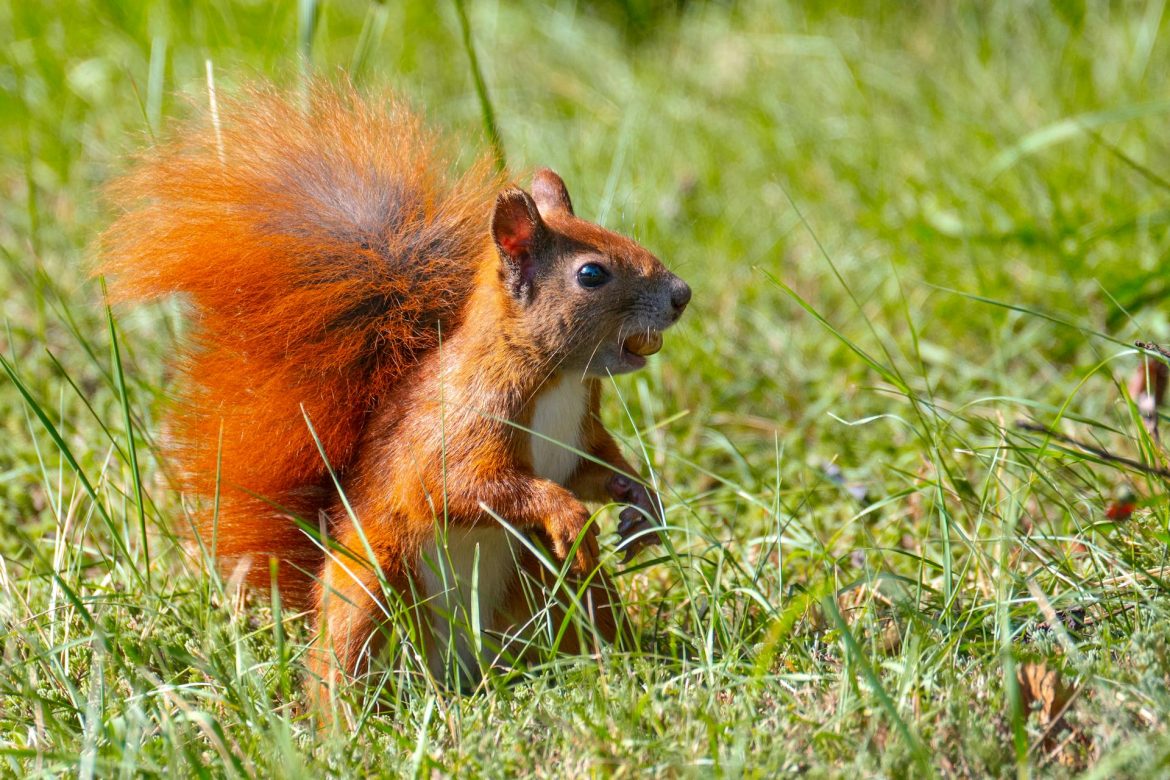
Squirrels destroy gardens by digging bulbs, consuming vegetables and looting bird feeders yet natural repellents and barriers keep them out without using any chemicals or traps. These humanistic practices are employed 24 hours a year on flowers, veggies, and fruits.
Physical Barriers
Covers or nettings (10-20) are used to protect crops such as tomatoes and strawberries; the cover is fastened with stakes to prevent access. Bulbs- plant tulips wrapped in wire cages are safeguarded by hardware cloth (1/4-inch mesh) buried 6-12 inches deep. In the case of raised beds, wrap the trunks by using 2-foot metal flashing in order to keep away the climbers. Bird feeders are 10 feet off trees on slick poles with baffles with little spilled seed.
Repellent Plants and Scents
Plant alliums, daffodils, marigolds, and garlic on the borders–squirrels hate their sharp odors and their tastes. Sprinkle cayenne pepper, coffee grounds or crushed red pepper flakes around plants weekly; rain refreshes required. Predators are imitated by the sprinkling of Irish Spring soap shavings or blood meal ($5/bag). Turn predator urine (coyotes, fox) in the garden stores to make it potent.
Motion and Sound Deterrents
Motion sprinklers costing $30 spray off anyone that comes in and training to avoid it quickly. Wind chimes, aluminum pie tins, or reflective tape fluttering in the wind are all good startles. Low-tuned radios interfere with night raids.
Habitat Disruption
Piles of clear brush, thick shrubs and fallen nuts which are nesting. Cuter overhanging branches 8 feet over beds. Alternative food: distant platform feeders (squirrels do not bother with it).
Integrate techniques, barriers and smells and you are 90% successful. Wash off after a shower; check trail cameras. Patience has its reward: gardens are naturally squirrel-free in a few weeks.