Simple flower bed designs will make your front yard look like a pleasant low-maintenance theme. These layouts focus on street appeal using perennials, shrubs, and planned layering, which fit all sizes and climates of the yard without overwhelming the beginners.
Layered Border Design
Add a depth by planting tall plants at the back of the house against the house foundation, medium heights in the middle, and low-growers on the front sidewalk. Evergreen shrubs, such as boxwood or dwarf Alberta spruce (2-4 feet), should be used to provide year round structure, and daylilies or hostas should be used as under plants in summer. Carpet (use front with creeping phlox or sweet alyssum) to spill over sides. Planting Curved lines of space plants spaced 12-18 inches apart imitating natural lines; mulch using 2-3 inches of bark to keep weeds off and moisture in. This traditional arrangement can survive in full sunlight to partial shade and it is blooming with color throughout the spring and fall.
Pollinator-Friendly Meadow Strip
Bees and butterflies will be attracted on a narrow, wild-style bed along the walkway. Combine native wildflowers, such as black-eyed Susan, coneflowers and bee balm (3-5 feet tall) with decorative grasses, such as fountain grass to provide swaying texture. Low lavender or catmint, and when one comes near the edge it gives out a fragrance. Sow in ready soil to which compost has been added; water once a week till rooted. This environmental design has a low maintenance cost, and it self-propagates every year and takes care of the local wildlife. It is ideal when exposed to the sun; it is rustic and does not require formal trimming.
Color-Themed Cottage Garden
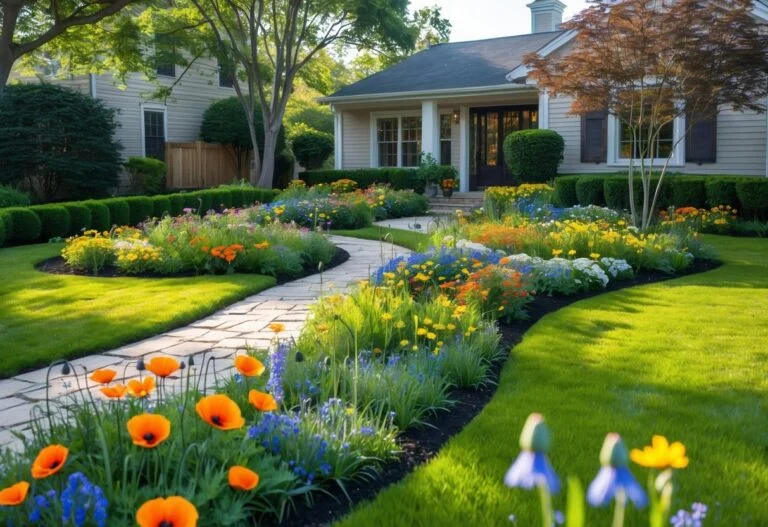
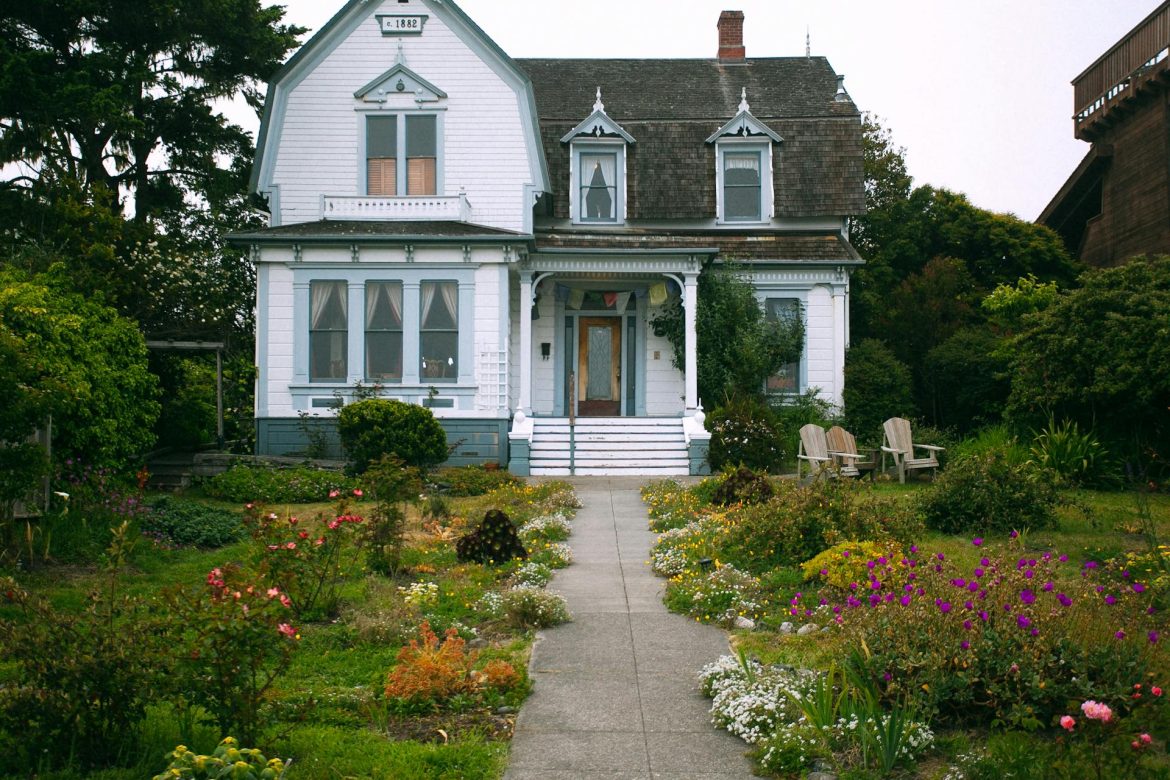
Combine only one color to have a strong effect: blue-purple beds with salvia, delphiniums, and lobelia with white baby’s breath. plant in clusters of odd numbers (3-5 of each kind) so as to be abundant in nature, intermingling with silvery lamb’s ear. Outline edges using scalloped stones or recycled stones and raise soil 4-6 inches to drain. Corners are anchored with roses or hydrangeas that make one look up. Prune spent flower to make it bloom again, fertilize very little in spring. It thrives in temperate climates and makes one feel like you are in the English countryside directly outside your door.
Low-Maintenance Succulent and Gravel Bed
A contemporary xeriscape would be the best choice in drought-prone regions or a busy homeowner. Plant succulents such as sedum, agave and hens-and-chicks in drifts between river rocks or pea gravel bordered by Corten steel edging. Add tall yucca or cordyline which is used vertically. Little watering- once a week deep-soak- is all that is required in hot, dry places; deep soil has good drainage; shallow root-rot will not occur. This water efficient, sleek design reduces mowing and weeding by 80 percent, and reflects heat out of house foundations.
Seasonal Bulb and Perennial Wheel
Turn interest in all seasons: tulips and daffodils in the spring are replaced by the foxgloves and peonies in summer, and the asters and ornamental kale in autumn. To be planted 6-8 inches deep in the fall, with perennials on top. Path lights are solar powered, which are traced at night to increase the safety and brightness. Enrich the clay soils with sand to make the roots healthy; separate congested plants after every 3 years.
Do not fail: Check pH of soil (target 6.0-7.0), select zone-tolerant varieties through USDA maps, and begin small, then increase as confidence increases. Annually mulch, deadhead and water profoundly but seldom to have strong roots. These concepts increase the property value by 10-15 per cent with immediate appeal, which takes only weekends to create.